Archives
- 2026-04
- 2026-03
- 2026-02
- 2026-01
- 2025-12
- 2025-11
- 2025-10
- 2025-09
- 2025-03
- 2025-02
- 2025-01
- 2024-12
- 2024-11
- 2024-10
- 2024-09
- 2024-08
- 2024-07
- 2024-06
- 2024-05
- 2024-04
- 2024-03
- 2024-02
- 2024-01
- 2023-12
- 2023-11
- 2023-10
- 2023-09
- 2023-08
- 2023-07
- 2023-06
- 2023-05
- 2023-04
- 2023-03
- 2023-02
- 2023-01
- 2022-12
- 2022-11
- 2022-10
- 2022-09
- 2022-08
- 2022-07
- 2022-06
- 2022-05
- 2022-04
- 2022-03
- 2022-02
- 2022-01
- 2021-12
- 2021-11
- 2021-10
- 2021-09
- 2021-08
- 2021-07
- 2021-06
- 2021-05
- 2021-04
- 2021-03
- 2021-02
- 2021-01
- 2020-12
- 2020-11
- 2020-10
- 2020-09
- 2020-08
- 2020-07
- 2020-06
- 2020-05
- 2020-04
- 2020-03
- 2020-02
- 2020-01
- 2019-12
- 2019-11
- 2019-10
- 2019-09
- 2019-08
- 2019-07
- 2019-06
- 2018-07
-
apr 246 We have compared the potency of a series
2020-04-09
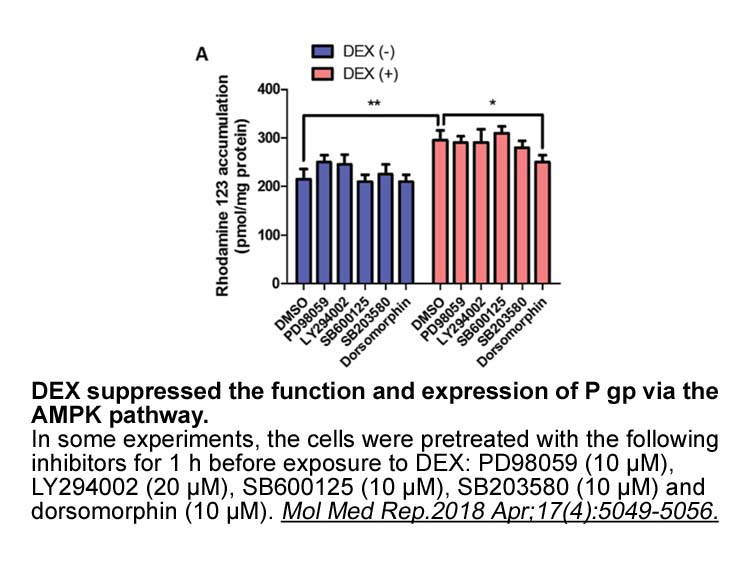
We have compared the potency of a series of DNA-directed alkylating agents, including N-mustard-acridine, N-mustard-quinoline, and N-mustard-quinazoline conjugates previously synthesized in our laboratory [7], [13], and currently used drugs (oxaliplatin, cisplatin, or 5-FU) for the treatment of CRC
-
br Results and discussion br Conclusions In this work
2020-04-08

Results and discussion Conclusions In this work, we have conjugated two thermophilic enzymes (i.e., AMY and LASPO) to iron oxide NPs through different conjugation strategies obtaining efficient biocatalysts. We have demonstrated that these NP-enzyme systems can be successfully activated by an
-
Recently Schenck et al identified an active site
2020-04-08
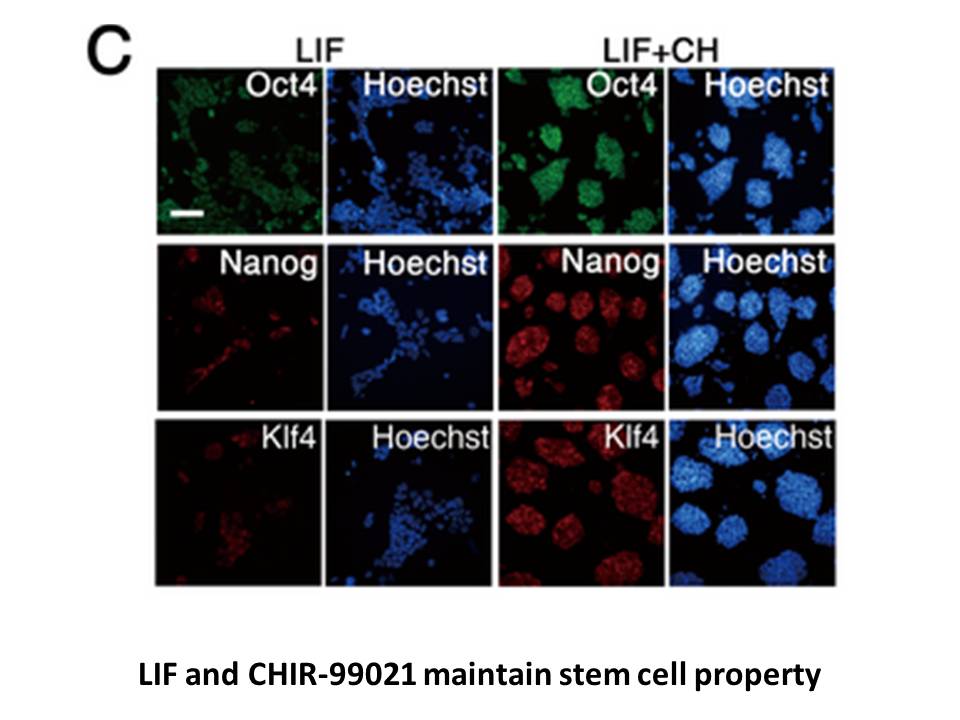
Recently, Schenck et al. [25] identified an active site asparagine 222 (N222) residue in the Glycine max TyrAp/PDH (GmPDH1) that is responsible for its prephenate substrate specificity. Mutating the single N222 into an acidic residue (i.e. aspartate, D) in the legume TyrAp/PDH shifted from prephenat
-
br Funding This work was supported by
2020-04-08
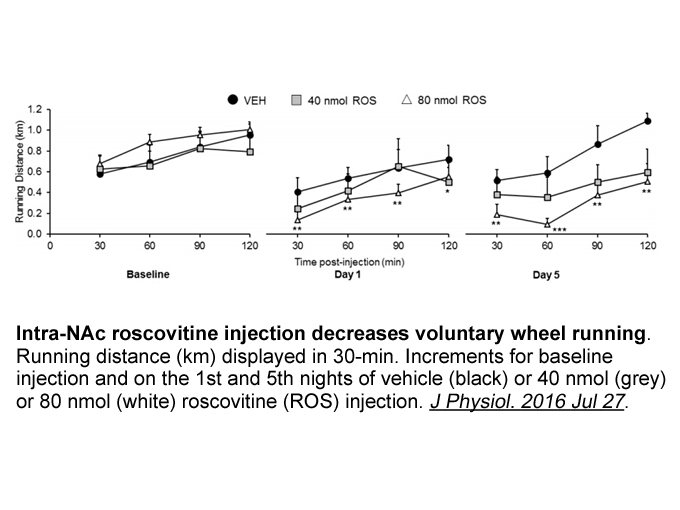
Funding This work was supported by grants to A.S. from the Swedish Cancer Foundation, Sweden (Grant number: CAN, 2015/637), the Swedish Medical Council, Sweden (Grant number: 2017- 01274), the Foundations at Skåne University Hospital, Sweden and to KB, SRS, NC, BCS, and SS from the Royal Physiogr
-
br Results br Discussion The origin and fate of Tfh
2020-04-07
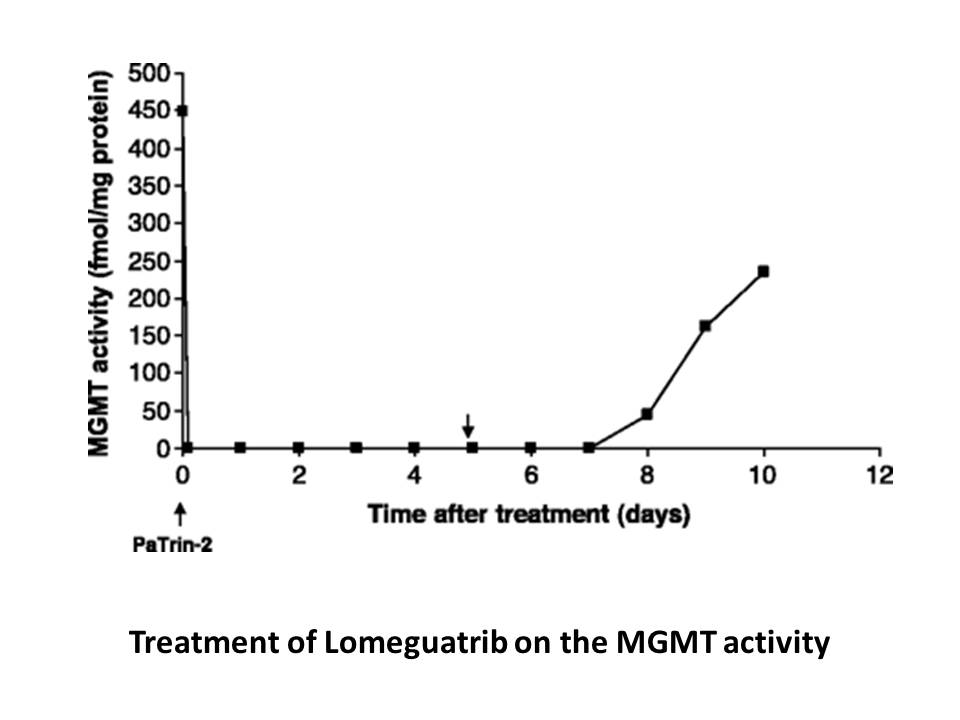
Results Discussion The origin and fate of Tfh cells has been intensely studied since their first description 14 years ago (Breitfeld et al., 2000, Schaerli et al., 2000). Although mice engineered to report BCL6 (Kitano et al., 2011, Liu et al., 2012) and interleukin-21 (IL-21) (Lüthje et al.,
-
br Acknowledgements This work was supported by National Natu
2020-04-07
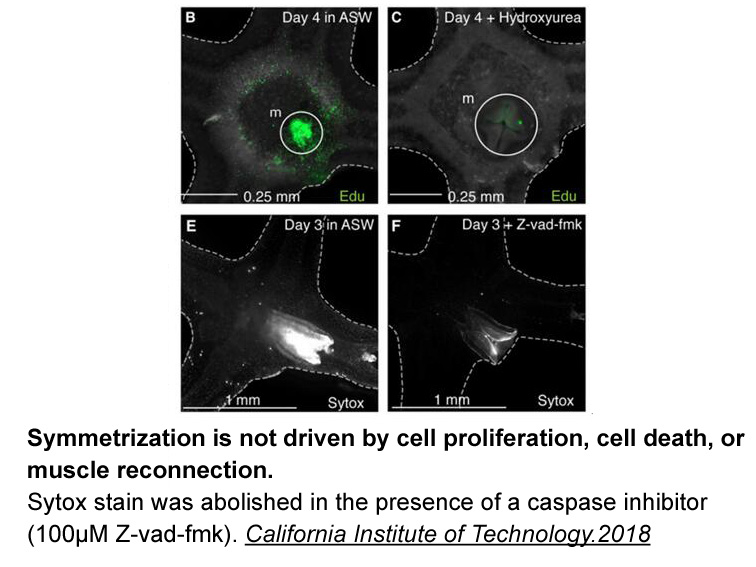
Acknowledgements This work was supported by National Natural Science Foundation of China (31701807, 31572000) and Jiangsu Province Science Foundation for Youths (BK20170491). Introduction Two Cl− channels of the ClC family, ClC-K1 and ClC-K2 (or their human orthologs ClC-Ka and ClC-Kb, respec
-
br Rationale and Conventional Use of Alkylating Agents
2020-04-07
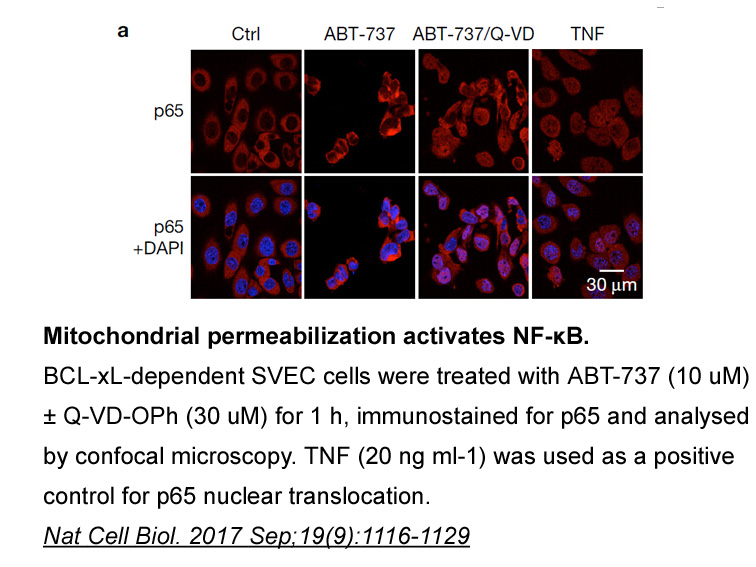
Rationale and Conventional Use of Alkylating Agents and Platinum Derivatives in Clinical Practice After the attack on Bari Harbor in 1943 revealed the effects of mustard gas on bone marrow depletion and the first therapeutic outcomes in lymphoma, alkylating agents gradually became a gold standard
-
This study evaluated the role
2020-04-07
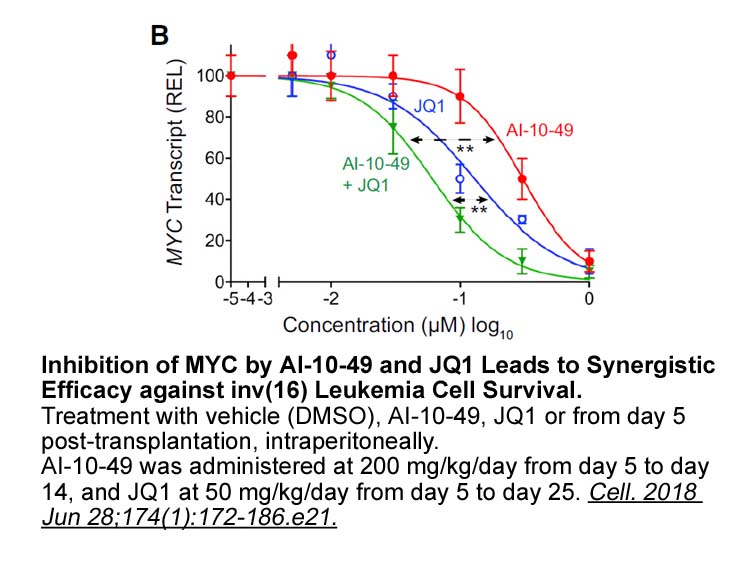
This study evaluated the role of SERT in classical fear conditioning using a SERT knockout rat model. We found a clear disruption of cue-conditioned fear in SERT−/− rats, as measured with the fear-potentiated startle. This disruption was due to a deficit in fear acquisition and was accompanied by de
-
In the present study we investigated the effect of morphine
2020-04-07
In the present study we investigated the effect of morphine withdrawal on G-protein coupling to opioid and ET receptors in neonatal rats. Morphine-induced G-protein activation was significantly higher in neonatal rats undergoing morphine withdrawal; suggesting enhanced coupling of the receptors to G
-
Several studies have shown that
2020-04-07
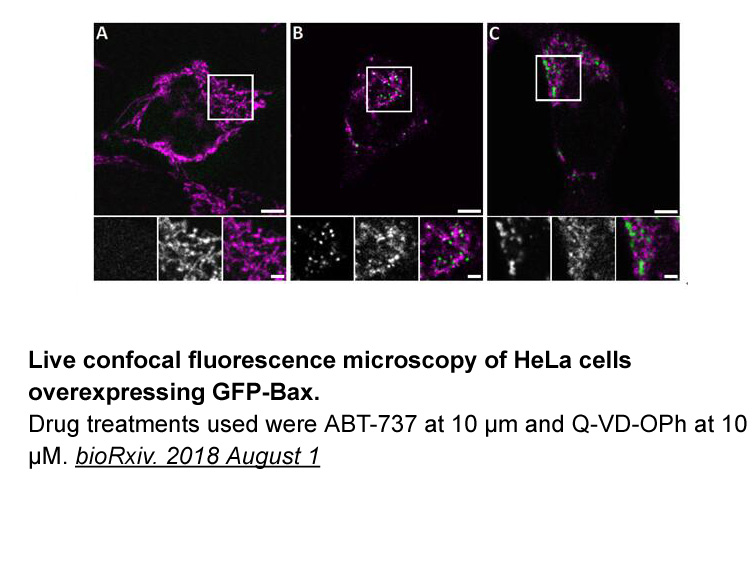
Several studies have shown that, independently of body-weight control, the central actions of leptin improve glycemic control in obese diabetic rat and mouse models [62]. For instance, restoration of OB-Rb expression in OB-Rb-deficient mice, and in particular in POMC neurons, was sufficient to norma
-
The small intestine in addition to its primary role
2020-04-07

The small intestine, in addition to its primary role of absorption, has the ability to metabolize drugs and other xenobiotics through phase 1 and phase 11 metabolisms [25] since almost all the cytochrome P450 EMD638683 sale present in the liver are also present in the small intestine although, in lo
-
br Materials and Methods br Results br
2020-04-07
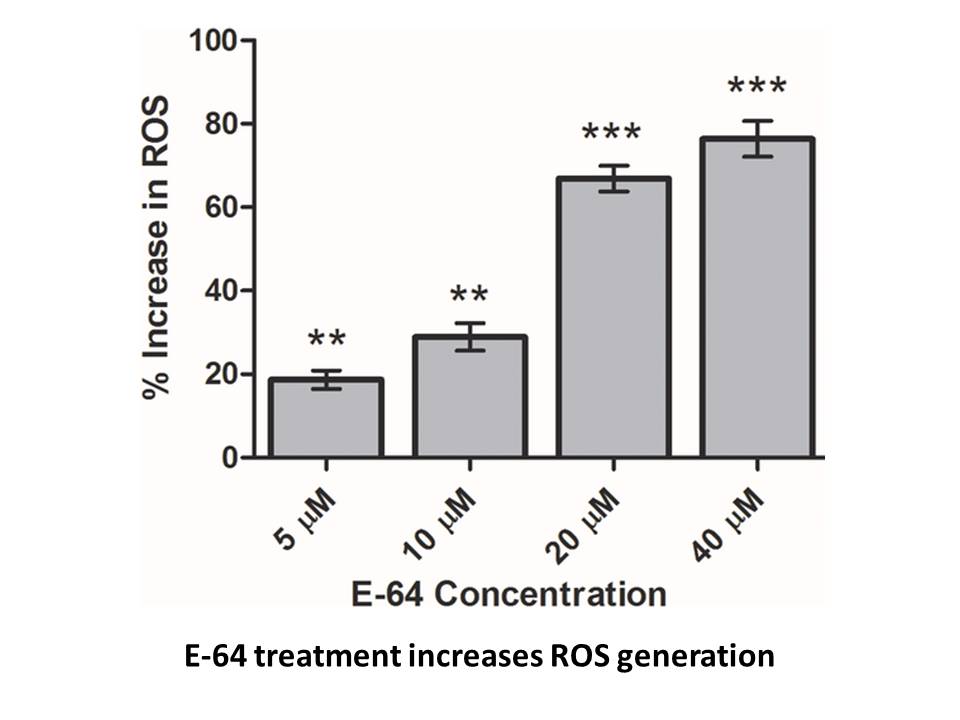
Materials and Methods Results Discussion ROS generated by SFN target many signaling pathways involved in initiating cancer cell death (Sestili and Fimognari, 2015). For example, ROS have been shown to activate both intrinsic and extrinsic caspase cascades in prostate cancer cells (Singh et
-
Given the important regulatory roles
2020-04-07
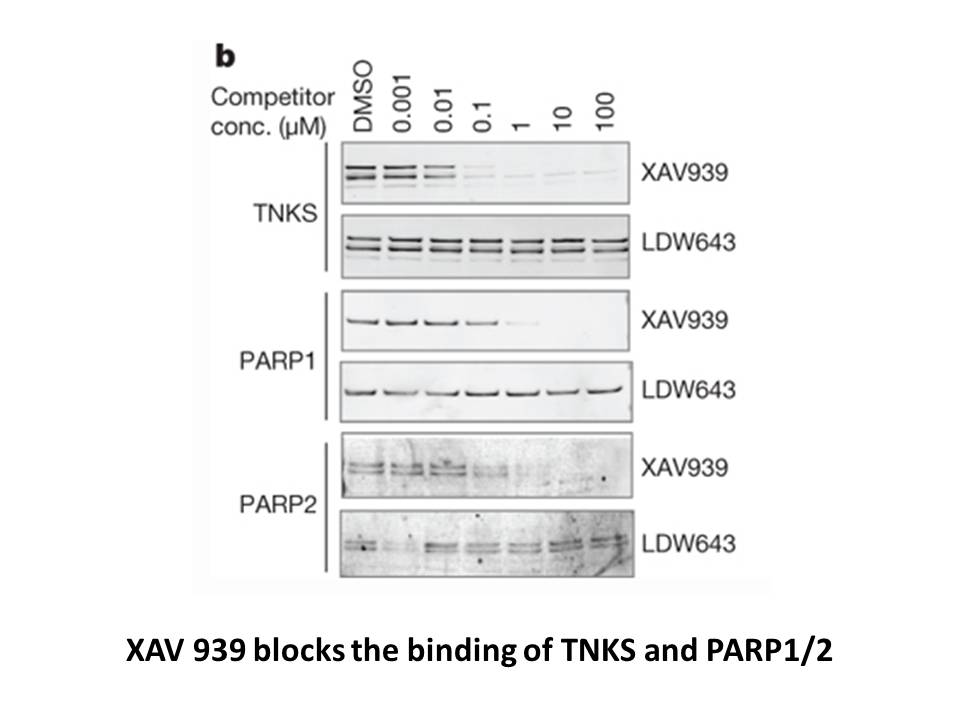
Given the important regulatory roles Ub signaling pathways play in eukaryotes, bacterial pathogens and viruses have evolved elaborate mechanisms to hijack host Ub signaling pathways and evade the immune response. This is highlighted by the numerous E3 Ub ligases and spectrum of DUBs encoded by bacte
-
In neurodegenerative disorders neurons are excited by enormo
2020-04-07
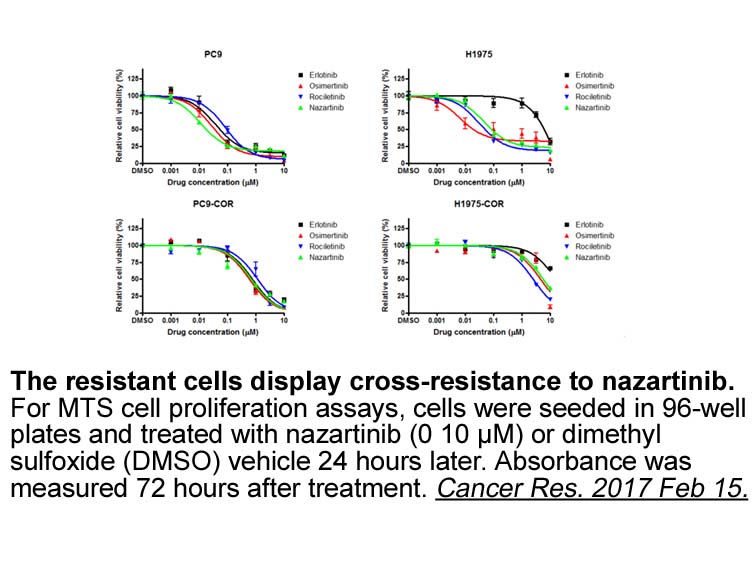
In neurodegenerative disorders neurons are excited by enormous ionic flow which induces mitochondrial dysfunction and apoptosis. Glutamate as the main excitatory neurotransmitter, is released excessively in these diseases. Glutamate acts through N-methyl-d-aspartate (NMDA) receptor and α-amino-3-hyd
-
The full length human CPG protein is expressed
2020-04-07
The full-length human CPG2 protein is expressed in CNS tissue with the highest expression in the neocortex, hippocampus and striatum, consistent with mRNA localization patterns of the rat Cpg2 homolog (Cottrell et al., 2004). In the rat, the CPG2 protein localizes primarily to the postsynaptic endoc
15489 records 889/1033 page Previous Next First page 上5页 886887888889890 下5页 Last page